
The Role of Technology in Managing Hearing Loss
Technology has changed the way people manage hearing loss, offering
By: admin | July 29, 2025
When you schedule a hearing test with an audiologist, you might assume that the results will provide a clear picture of your hearing abilities. However, the environment where your test takes place can significantly influence the accuracy of those results. Environmental noise, whether it’s traffic outside, air conditioning systems or conversations in nearby rooms, can interfere with your ability to hear and respond to the test sounds properly. This interference can lead to results that don’t truly reflect your actual hearing capabilities.
Understanding how environmental noise affects hearing test results is crucial for both patients and auidologists. An audiologist works carefully to control testing conditions, but various sound sources can still impact the process in ways you might not expect. By recognizing these potential influences, you can better prepare for your hearing evaluation and work with your audiologist to ensure the most accurate assessment possible. This knowledge helps create realistic expectations about the testing process and contributes to more reliable outcomes for your hearing health care.
Environmental noise is any background sound that is not the focus of your attention and may interfere with hearing clearly. These sounds can include traffic outside, household appliances running or voices from another room. Even minor noises like a phone vibrating or a chair moving can be considered environmental noise. While such sounds are a normal part of everyday life, they can sometimes make it harder to concentrate or fully understand speech.
The sources of environmental noise vary depending on the setting. In busy areas, it might come from cars, buses or ongoing construction. At home, common sources include televisions, kitchen appliances or conversations in other rooms. During a hearing test, these distractions can affect your ability to respond accurately, which may impact the results. Recognizing where environmental noise comes from makes it easier to reduce its impact when clear listening is important.
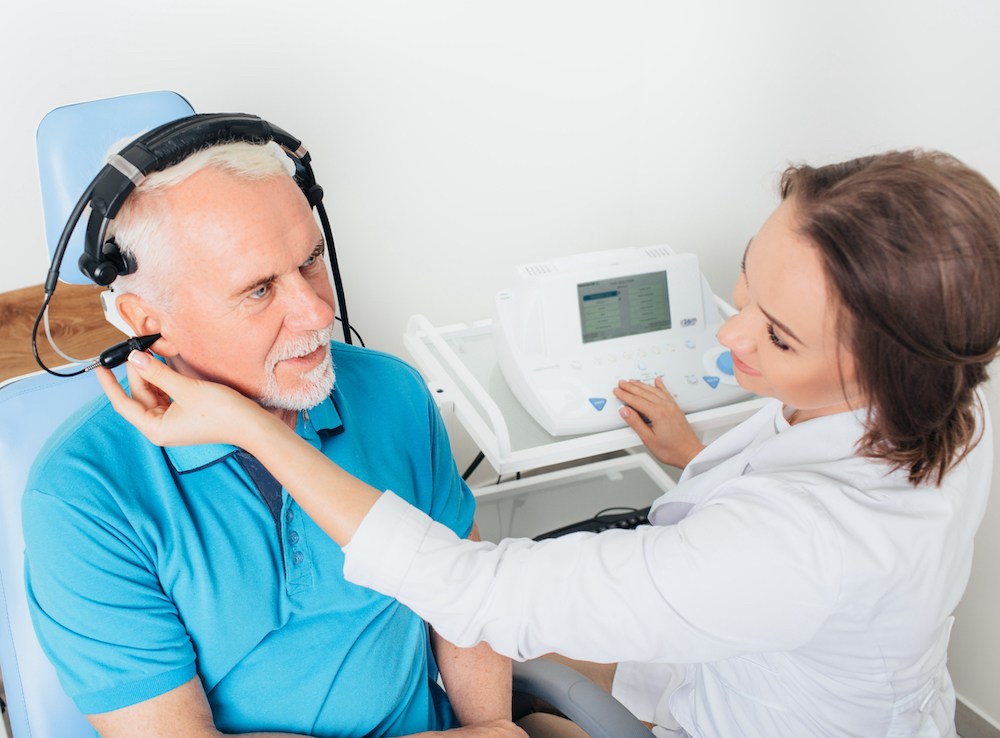
During a hearing test, you will listen to a series of tones and spoken words at different volumes and pitches. Wearing headphones, you will be asked to press a button or raise your hand when you hear a sound. This process helps an audiologist find the quietest sounds you can detect at various frequencies. The results show which pitches or types of sounds are harder for you to hear. Accurate testing conditions are important so that your audiologist can recommend the best next steps, like follow-up tests or possible hearing aids.
Quiet testing rooms are necessary because they allow your audiologist to measure your hearing without outside interference. When the environment is completely controlled, the only sounds you hear during your test are the ones being measured. This ensures that your responses are based on your actual hearing ability, not influenced by distractions or competing noise. Without this level of control, even small interruptions can lead to inaccurate results.
A quiet setting also makes the testing process consistent and reliable. Accurate results are essential for identifying the right solutions, whether that means hearing aids, treatment plans or further evaluation. By keeping the testing space free from interference, your results provide a true picture of how well you hear in ideal conditions.
Testing areas can have many types of background noise. Footsteps in nearby hallways, voices from adjacent rooms and sounds from heating or cooling systems are all common. Even the hum of fluorescent lights or vibrations from passing traffic can be picked up during a test. These noises might seem minor, but they can affect how well you hear test tones. Keeping the testing area as quiet as possible allows your audiologist to get results that reflect your hearing.
Background sounds can interfere with hearing test tones by making it harder for you to tell when a tone is being played. If other noises overlap with the test sounds, your brain may focus on the louder or more familiar sound instead. This can lead to missed responses or guessing, which affects the accuracy of the test. Even if the tones are heard faintly, competing sounds can make it difficult to judge their pitch or volume.
Steady background noises, like the low hum of an air conditioner or ventilation system, often fade into the background over time because the brain naturally adapts to consistent sounds. Even so, they can mask faint test tones, making it harder to detect softer sounds during the evaluation. This can lead to responses that do not fully reflect your hearing. While these sounds seem harmless, their presence can still create subtle challenges for accurate measurements.
Sudden noises, on the other hand, create a different problem. Sounds like a door closing, someone dropping an object or voices in the hallway can pull your attention away from the tones being played. These interruptions can cause you to miss test signals or respond at the wrong time, leading to unreliable results. For this reason, hearing tests are ideally conducted in sound-controlled rooms that limit both steady and sudden background noises, ensuring that every response truly reflects your hearing and not outside distractions.
Low-level noise makes it harder to hear the quietest tones during certain parts of a hearing test. This is especially true when checking your ability to detect very soft sounds or higher pitches. If you notice any background noise during these quieter parts of the test, let your local audiologist know, so they can address these issues.
Soundproofing materials play an important role in keeping outside noises from entering the testing room. These materials are used in the walls, doors and windows to block or absorb sounds like footsteps, voices and traffic. This helps create a quiet space where you can focus on hearing only the test tones. There are several benefits to using soundproofing:
Some of the most common sources of unwanted sounds in a clinic come from the very equipment used during hearing evaluations. Machines like air conditioners, ventilation systems and even certain diagnostic tools can produce low, constant hums or vibrations. While these sounds may seem minor, they can compete with the soft tones of a hearing test, especially at lower frequencies. Even a small amount of background noise can affect how accurately someone responds to the test tones, making it harder to get a clear picture of their hearing.
Computers and other electronic devices in the testing room can also add to the problem. Fans inside a computer tower or the slight buzz from a monitor may not stand out in everyday situations, but in a quiet testing environment, these noises become noticeable. Printers, medical devices and even lights that emit a faint hum can also interfere with the process. This is why many clinics work to reduce these sounds as much as possible, creating an environment where the only sounds a patient hears are the test tones themselves.
Before your hearing test begins, an audiologist takes steps to make sure the room is as quiet as possible. They will check for any unwanted sounds, like humming from machines or noise from nearby areas. If needed, equipment may be turned off or doors and windows closed to keep outside noise out. Some may use special sound meters to measure background noise before starting the test. These steps help create an environment that meets strict standards for low noise levels.
If an unexpected noise interrupts your hearing test, your audiologist will likely pause and repeat the part of the test that was affected. This ensures your results are as accurate as possible. You may be asked to let your audiologist know right away if you hear any loud or distracting sounds during your appointment. Repeating certain test tones is a normal part of making sure your results reflect your true hearing ability.
Background sounds can sometimes lead you to miss a test tone or respond at the wrong moment, which can affect the accuracy of the results. If your audiologist suspects that an outside noise interfered with a response, they may choose to repeat that part of the test to confirm the correct hearing threshold. Even small interruptions, like a sudden noise in the hallway or a faint hum becoming more noticeable, can make it unclear whether the tone was truly heard. Repeating portions of the test helps your audiologist ensure the results reflect the patient’s actual hearing ability rather than environmental distractions.
You can help get the most accurate results by preparing for your hearing test. Arrive a few minutes early so you have time to relax and settle in. Turn off your cell phone or put it on silent to help keep the testing area quiet. Let your audiologist know if you notice any distracting sounds in the waiting area or testing room. Staying focused during your appointment helps you get results that best reflects your hearing.
When you arrive for your hearing test, asking about the testing room environment can help you feel more comfortable and confident. You might want to know what steps are taken to keep the room quiet and free from distractions. It can also be helpful to ask if there are certain times of day when the clinic is quieter, which could lead to more accurate results.
You can also ask about any equipment in the room that might make noise, like air conditioners or computers. Find out if these devices will be turned off during your test or if they could affect what you hear. If you notice any bothersome sounds, mention them before testing begins. Taking an active role by asking questions helps ensure a better experience and more reliable results.
Understanding how environmental noise and other factors can affect your hearing test helps you get results that truly reflect your hearing ability. Small background sounds, changes in room temperature and nearby equipment all play a part in how well you hear test tones. By staying aware of these factors and letting our team know if anything is distracting, you help ensure accurate results.
At Sommerville Audiology & Hearing Aid Center in St. Clair Shores, we’re dedicated to helping you understand your hearing test results and what they mean for your overall hearing health. Our audiologists take the time to explain each detail clearly, so you feel confident about your next steps. If you want to schedule an appointment, call us today at (586) 298-3788. We are here to answer your questions and provide a comfortable experience during your appointment.
Tags: hearing test results, speech tests

Technology has changed the way people manage hearing loss, offering
By: admin | October 20, 2025
When you schedule a hearing test with an audiologist, you might assume
By: admin | July 29, 2025
Your hearing affects everything from following conversations at family
By: admin | June 20, 2025