
What to Expect from a Hearing Aid Trial Period
Getting fitted for hearing aids and actually living with them are two very

By: admin | October 20, 2025
Technology has changed the way people manage hearing loss, offering practical solutions that make daily communication clearer and less stressful. Modern hearing aids do much more than simply amplify sound. They analyze your environment, reduce background noise and adjust automatically so you can focus on the conversation in front of you rather than struggling to filter out distractions. Many devices now connect directly to your smartphone, allowing you to take calls, listen to music or watch videos with sound streamed right to your ears.
Beyond hearing aids themselves, other technology tools can support your hearing needs at home and on the go. Apps can provide real-time captions during phone calls or meetings, visual alert systems can notify you when the doorbell rings or an alarm sounds, and assistive listening devices can help in theaters or places of worship. The key is finding the combination of tools that fits your lifestyle and addresses the specific situations where you struggle most. You don’t need to adopt every new gadget that comes along, but exploring what’s available can open up options you might not have considered. Technology isn’t a replacement for professional hearing care, but it’s a valuable complement that can make managing hearing loss easier.
Noticing changes in your hearing can be subtle at first, but paying attention early can make a big difference. Common signs that it may be time for a hearing test include struggling to follow conversations in noisy environments, frequently asking people to repeat themselves or turning up the volume on the TV or phone louder than usual. You might also notice ringing or buzzing sounds in your ears, difficulty understanding speech over the phone or trouble hearing high-pitched sounds like doorbells or alarms. Recognizing these changes early helps you address potential issues before they start affecting your daily life.
Other signs can be less obvious but just as important. You may feel more fatigued after social interactions because your brain is working harder to fill in missing sounds. Friends or family might mention that you seem to misunderstand conversations or respond inappropriately. Even if the changes feel minor, scheduling a hearing test allows you to get a clear understanding of your hearing health and take steps to maintain your ability to communicate effectively in all the situations that matter most.
Your appointment with the audiologist begins with gathering important information about your hearing and overall health. You’ll be asked about any difficulties you’ve noticed, like trouble following conversations, ringing in your ears or changes in volume preferences for your devices or electronics. The audiologist may also ask about your medical history, medications and any family history of hearing loss. Sharing details about your daily routines and environments helps the audiologist understand how your hearing needs affect your life and ensures the evaluation is tailored to you.
Next, the audiologist will perform a thorough ear examination. This usually involves using a small device called an otoscope to look inside your ear canal and check for blockages, earwax buildup or signs of infection. The exam may also include inspecting the eardrum and outer ear for any abnormalities. This step helps the audiologist rule out factors that could be affecting your hearing and ensures that the test results will be accurate.
The testing process itself involves a series of hearing assessments to determine how well you hear different tones, pitches and volumes. You may be asked to wear headphones and respond to sounds played at various frequencies and some tests might measure your ability to understand speech in quiet and noisy environments. These evaluations provide a detailed picture of your hearing levels and help the audiologist identify specific types of hearing loss if present.
After the testing is complete, the audiologist will discuss the results with you. They will explain what the tests revealed about your hearing, answer your questions and outline potential next steps. This may include recommendations for hearing devices, follow-up care or strategies to manage your hearing in daily life. The goal of this discussion is to ensure you leave with a clear understanding of your hearing health and a plan that supports your needs.
When you discuss hearing aids with your audiologist, the conversation focuses on finding the right device for your specific needs and lifestyle. The audiologist will review the results of your hearing tests and talk with you about the situations where you struggle most with hearing, like social gatherings, work meetings or quiet home environments. They will take into account your daily routines, preferences for discreet or behind-the-ear styles, dexterity and comfort, helping you understand which devices will fit both your ears and your lifestyle.
Your audiologist will also explain the different styles and features of hearing aids. They’ll describe how each option may perform in different listening environments, how easy it is to adjust settings and whether wireless connections or rechargeable batteries are available. The goal is to provide guidance that makes the decision clearer and ensures the hearing aid you choose is suited to how you live and interact with the world.
In addition to selecting the right style, your audiologist will counsel you on what to expect during the adjustment period. They’ll discuss how to get comfortable with new sounds, how long it typically takes to adapt and what support is available if you encounter challenges. This guidance ensures you feel prepared and supported, making the process of integrating hearing aids into your daily life as smooth and effective as possible.
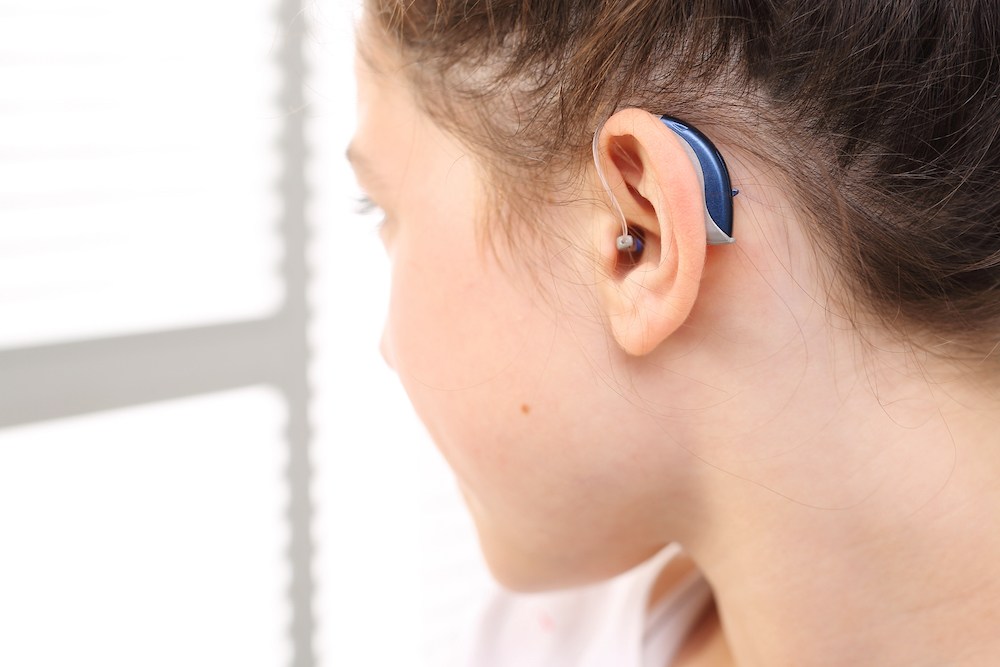
Hearing aids come in a variety of styles, each designed to suit different preferences, lifestyles and degrees of hearing loss. Behind-the-ear (BTE) models sit comfortably behind the ear and connect to an earmold inside the ear canal. They are durable, easy to handle and suitable for almost all levels of hearing loss, but they are more visible than some smaller options.
Each style has its advantages and trade-offs, and the right choice depends on your hearing needs, daily activities and personal preferences. Discussing these options with your audiologist helps ensure you find a hearing aid that fits comfortably and works well in the situations that matter most to you.
Recent advances in technology have made hearing care more effective and comfortable. Modern hearing aids are smaller, lighter and deliver clearer sound. Many models can automatically adjust to different listening environments, making it easier to follow conversations whether you are at home or in a busy place.
Some hearing aids now connect directly to smartphones, TVs and other devices using Bluetooth. This allows you to hear phone calls or watch your favorite shows through your hearing aids, keeping you connected to the people and activities that matter most.
Today’s hearing aids are more than just devices that make sounds louder—they are small, sophisticated tools that help you navigate your daily life with greater ease. Many include technology that adapts to different environments, making conversations clearer and reducing background distractions. These features are designed to keep you comfortable, connected and in control no matter where you are.
Some of the most useful features include:
Assistive listening devices are designed to support your hearing in situations where standard hearing aids might not provide enough clarity, like classrooms, theaters, large group meetings or places with significant background noise. They work by amplifying the speaker’s voice and reducing distracting sounds around you, so you can focus on what’s being said rather than struggling to follow along.
These devices come in a variety of forms, from small personal amplifiers to systems that connect directly to microphones worn by a speaker. Some can transmit sound directly to your hearing aids or headphones, making it easier to hear in challenging environments. Using assistive listening devices can make social gatherings, work meetings or educational settings more accessible, allowing you to participate fully and feel more comfortable in daily activities.
Technology has made managing hearing loss more practical and less stressful than ever. With modern tools, you can focus on the conversations and sounds that matter most without being distracted by background noise or struggling to catch every word. From smart hearing aids that adjust automatically to apps and assistive listening devices, these solutions are designed to fit naturally into your day-to-day life, helping you stay engaged and connected in the moments that count.
If you want to explore which technologies might work best for you, Sommerville Audiology & Hearing Aid Center in Saint Clair Shores, MI at (586) 298-3788 can guide you through your options. Our team can help you identify the devices and tools that match your lifestyle, ensuring you have the support you need to hear more clearly.
Tags: hearing loss basics, hearing loss symptoms, types of hearing loss
Getting fitted for hearing aids and actually living with them are two very
By: admin | May 18, 2026

Cold weather and hearing aids have never gotten along particularly well,
By: admin | March 25, 2026
Technology has changed the way people manage hearing loss, offering
By: admin | October 20, 2025